INTRODUCTION
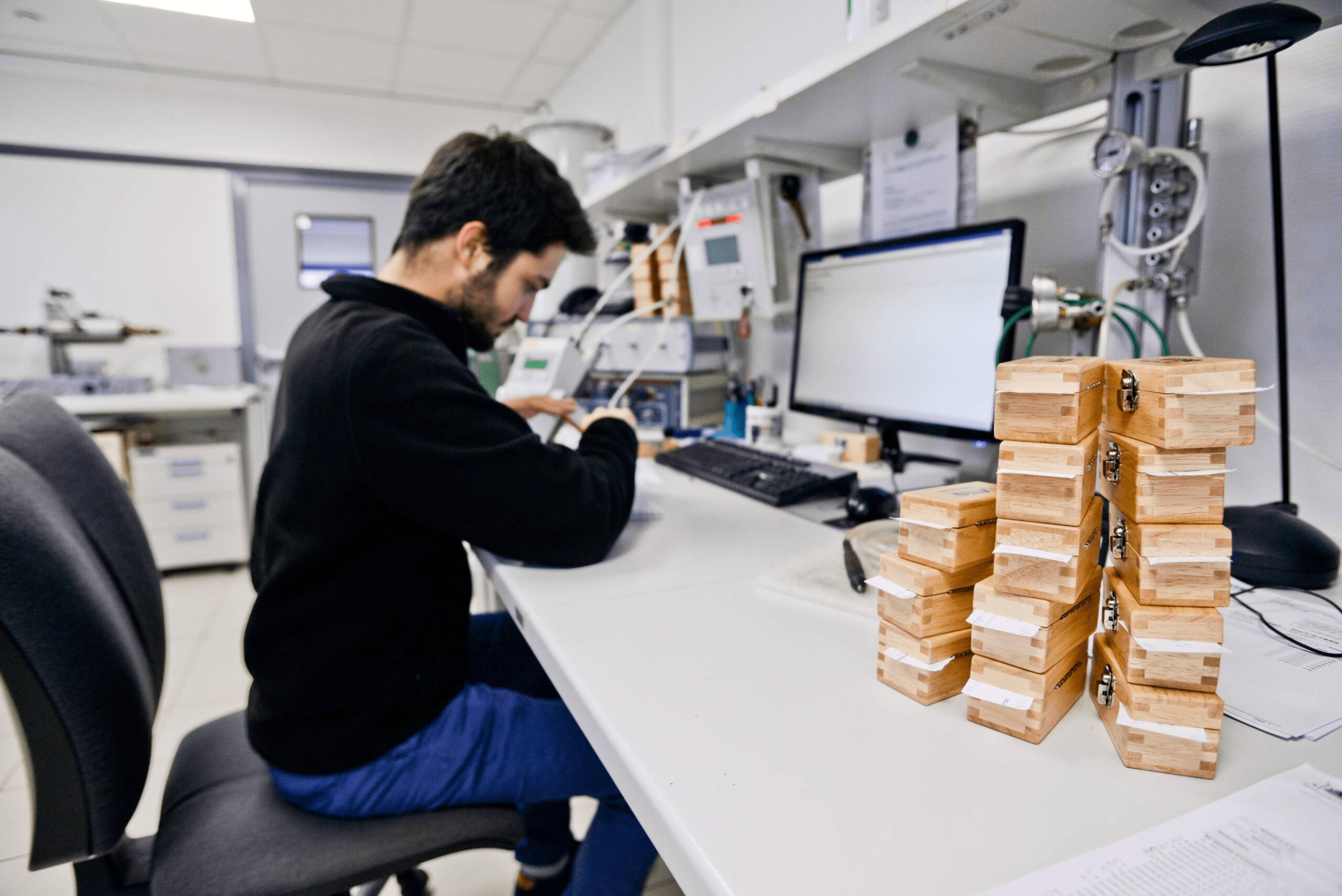
Calibration is essential for ensuring the accuracy, compliance, and performance of your leak detection equipment. Whether you’re in the automotive, medical, or electronics industry, properly calibrated instruments are the foundation of quality assurance.
At ATEQ, we provide ISO 17025-accredited calibration services to help manufacturers maintain the highest testing standards. In this article, we’ll cover the importance of ISO 17025, how often you should calibrate, and the best practices to follow.
WHAT IS ISO 17025 AND WHY DOES IT MATTER?
ISO 17025 is the international standard for the competence of testing and calibration laboratories. It sets the benchmark for producing valid and traceable calibration results.
For manufacturers using leak testing instruments—especially in regulated sectors like medical devices or automotive safety—ISO 17025 ensures:
- Measurements are traceable to international standards
- Calibrations meet rigorous technical requirements
- Documentation is audit-ready
Using an ISO-accredited lab, like ATEQ’s, guarantees your leak testers are held to the highest accuracy and compliance standards.
HOW OFTEN SHOULD LEAK TESTING EQUIPMENT BE CALIBRATED?
The typical calibration interval for leak testers is once per year, but this can vary based on several factors:
- High-usage equipment may require more frequent calibration
- Mission-critical applications (e.g., airbags, pacemakers) often demand shorter cycles
- OEM guidelines provide a baseline, but user environment can shorten or extend the interval
Tip: Keep a digital log of each instrument’s calibration dates and upcoming schedules to stay audit-ready.
SIGNS YOUR EQUIPMENT NEEDS RECALIBRATION SOONER
Even with a scheduled calibration plan, equipment may drift or degrade unexpectedly. Look out for these signs:
- Inconsistent or unexpected test results
- Instrument errors or failures
- Failed quality audits
- Product recalls or complaints
- Equipment being moved, damaged, or reconfigured
If any of these occur, it’s wise to recalibrate immediately—especially before high-volume production or compliance inspections.
BEST PRACTICES
To ensure proper compliance and performance:
- Always request a calibration certificate with uncertainty values and traceability
- Use ISO-accredited labs for calibration and repair
- Keep detailed historical records for each tester
- Set up recurring reminders or auto-renewal service plans
These practices minimize risk and ensure you’re ready for audits, tenders, or FDA/ISO inspections.
ON-SITE CALIBRATION VS LAB CALIBRATION: WHICH IS RIGHT FOR YOU?
| ON-SITE / LAB CALIBRATION |
|---|
| Option | Benefits | Considerations |
|---|---|---|
| On-Site Calibration | Minimal downtime, no shipping required | Some limitations in test environment |
| Lab Calibration | Controlled conditions, full-service capability | May require instrument downtime and logistics |
WHY CHOOSE ATEQ FOR
LEAK TEST CALIBRATION?
- ISO 17025-accredited labs in the USA and worldwide
- On-site calibration services available across North America
- Capable of calibrating most major leak test brands, not just ATEQ
- Fast turnaround and responsive customer support
- Detailed calibration reports with traceability and certificate of conformity
Ready to schedule your calibration ? Contact our experts
FAQs
On-site service is designed to minimize or avoid production downtime.
Date, traceability data, uncertainty values, standards used, and conformity statement.
Yes, we service most major brands.
On-site typically takes 1–2 hours per instrument. Lab calibrations vary based on shipping and backlog.